What Gerontology Actually Is and Why It Matters in Senior Living
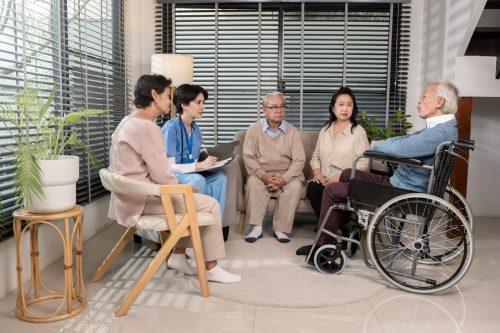
Gerontology is the scientific study of aging. It examines the physical, psychological, and social changes that occur as people grow older, and it provides the framework for understanding why older adults experience the world differently than younger populations.
For healthcare providers working in senior living, gerontology is not an academic subject. It is a practical one. Understanding the biology of aging helps providers recognize what is a normal age-related change and what might signal a health concern. Understanding the psychological dimensions leads to more effective and sensitive communication. And understanding the social aspects creates a stronger foundation for supporting each resident’s sense of identity, purpose, and connection.
Without that foundation, care can become reactive and generic. With it, care becomes proactive, personalized, and genuinely supportive of each resident’s quality of life.
Gerontology as the Foundation of Person-Centered Senior Living Care
Gerontology teaches that aging is not a single process but a complex combination of biological, psychological, and social changes that unfold differently for every person. Understanding the basic principles behind those changes is the starting point for everything else a senior living provider does.
Recognizing Common Age-Related Changes
Some changes that come with aging are well known. Others are less obvious and more easily misunderstood. Physical changes such as reduced muscle mass, slower healing, changes in vision and hearing, and shifts in sleep patterns all affect how older adults experience daily life and respond to care.
Cognitive changes, which may range from mild slowing of processing speed to more significant memory concerns, require providers to adjust how they communicate, how they structure interactions, and how they interpret a resident’s responses. Gerontology gives providers the knowledge to recognize these changes accurately rather than misattributing them to uncooperativeness, confusion, or decline.
Why Misunderstanding Age-Related Changes Creates Risk
When providers do not understand what normal aging looks like, they may miss early warning signs of treatable conditions. They may also overreact to changes that are simply part of the aging process, creating unnecessary anxiety for residents and families. Gerontology training closes that gap by giving providers a clear, evidence-based picture of what aging looks like across its many dimensions.
Person-Centered Communication in Senior Living
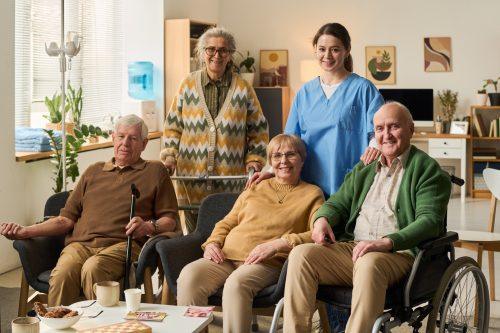
Understanding aging is inseparable from understanding how to communicate with older adults respectfully and effectively. Gerontology informs not just what providers know but how they engage.
Respectful Communication as a Clinical Skill
The way a provider speaks to a resident carries enormous weight. Tone, pacing, word choice, and body language all affect whether a resident feels respected or diminished. For older adults who may be navigating hearing changes, cognitive shifts, or the emotional challenges of adjusting to senior living, communication that is patient, clear, and genuinely respectful is not just a courtesy. It is a care standard.
Gerontology helps providers understand why certain communication approaches work and others do not, grounding those choices in an understanding of what the resident is actually experiencing rather than assumption or habit.
Supporting Dignity and Independence in Every Interaction
One of the core principles of gerontology as it applies to senior living is that older adults retain their right to autonomy, dignity, and self-determination regardless of their level of need. Providers who understand this principle approach every interaction differently. Choices replace directives. Explanations replace assumptions. Listening replaces speaking over.
That shift in approach does not require more time. It requires the right knowledge and the intention to apply it.
Promoting Safety, Independence, and Quality of Life
Gerontology does not just explain aging. It provides the foundation for promoting the best possible quality of life within the context of aging. For senior living providers, that means approaching each resident not as a collection of care needs but as a whole person whose safety, independence, and dignity are equally important parts of their daily experience.
Safety in senior living is often framed around fall prevention, medication management, and infection control. Those priorities are real and important. But gerontology adds a layer of understanding that makes safety practices more effective by connecting them to the specific age-related changes that create risk in the first place.
Independence, even partial independence, contributes significantly to a resident’s sense of self-worth and wellbeing. Gerontology helps providers identify where and how to support independence rather than inadvertently undermining it through well-meaning but overly protective care approaches.
What AMC’s Course Covers
AMC’s Understanding Gerontology in Senior Living course is designed specifically for healthcare providers working with older adults in senior living environments. It covers the core principles and practical knowledge that translate directly into better, more informed daily care.
The course teaches providers how to:
- Explain the basic principles of gerontology and how they apply in senior living settings
- Recognize common age-related changes across physical, cognitive, and social dimensions
- Support residents through respectful, person-centered communication
- Promote safety, independence, dignity, and quality of life in every interaction
The course runs one hour, awards 1.0 CME credit, and provides a certificate of completion upon finishing. It is fully online and self-paced, making it accessible for busy senior living staff without disrupting daily operations. The course carries approval from the California Board of Registered Nursing, Provider #18138, for 1.0 Contact Hours.
A Better Understanding Leads to Better Care
Senior living providers who understand gerontology do not just know more. Care looks different when it comes from a place of genuine understanding. Small signs others might miss become meaningful observations. Conversations feel more respectful and more human. And every decision reflects an accurate understanding of what aging actually involves.
That kind of care does not happen by accident. It happens when providers have the knowledge to back up their intentions.
By investing in gerontology training, your organization can ensure compliance, boost operational efficiency, and foster greater trust among residents, families, and staff alike.
Enroll your team in our customized, free course development program today and give your senior living facility the tools it needs to deliver care that is informed, respectful, and genuinely person-centered from the very first interaction.
Because understanding aging better is the foundation of caring for older adults well.