Why PPE Training Is About More Than Just Wearing Gloves
It is easy to assume that PPE is straightforward. Put on gloves before touching a patient. Wear a mask in high-risk areas. Remove everything before leaving the room. Simple enough, right?
In practice, it is far more nuanced. The type of PPE required depends on the clinical environment, the nature of the exposure risk, and the specific task being performed. A provider treating a patient with a suspected airborne infection needs different protection than one performing a routine blood draw. Choosing the wrong equipment, or wearing the right equipment incorrectly, can leave both the provider and the patient exposed.
This is why PPE training is a clinical skill, not just a safety checklist. It requires judgment, awareness, and a clear understanding of the principles behind each piece of equipment.
The Real Risk of Getting It Wrong
When PPE protocols are not followed correctly, the consequences extend beyond the individual provider. Healthcare-associated infections can spread to other patients, staff members, and visitors. Providers can unknowingly carry contaminants out of isolation rooms. Equipment that appears intact can fail if it has not been maintained properly.
The stakes are high. And yet, studies consistently show that errors in PPE use are common, even among experienced providers. The most frequent mistakes happen not during the procedure itself but during the process of putting equipment on and taking it off.
Donning and doffing, the clinical terms for putting on and removing PPE, follow a specific sequence for a specific reason. Skipping a step or changing the order can contaminate a provider at the exact moment they believe they are safe. PPE training addresses this directly, giving providers a clear, evidence-based sequence to follow every time.
What AMC’s PPE Training Covers
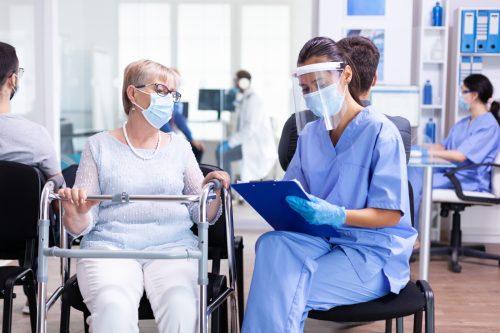
AMC’s Personal Protective Equipment Training is designed specifically for healthcare providers. It focuses on the practical skills and knowledge that translate directly into safer daily practice.
The course covers four core areas:
Recognizing Between Types of PPE
Not all PPE serves the same purpose. Gloves protect against contact transmission. Masks and respirators provide varying levels of protection against droplet and airborne exposure. Gowns protect clothing and skin from splashes and contamination. Eye protection shields mucous membranes from exposure. Understanding the distinction between each type, and when each is appropriate, is the foundation of effective PPE use.
The Steps for Donning and Doffing PPE
Putting on and removing PPE in the correct sequence is one of the most critical skills in infection control. AMC’s PPE training walks providers through each step in clear, practical terms. The goal is not just awareness but muscle memory, so that the correct sequence becomes instinctive even in high-pressure situations.
Evaluating Which PPE Is Required Depending on the Clinical Environment
Different clinical environments carry different risks. What is appropriate in a standard patient room may be insufficient in an isolation unit or an aerosol-generating procedure. PPE training helps providers develop the judgment to assess their environment, identify the level of risk, and select the appropriate equipment before they enter.
Maintaining the Integrity of PPE
PPE that has been stored incorrectly, worn too long, or handled carelessly may not provide the protection it appears to offer. Tears, contamination, improper fit, and expired materials all compromise the effectiveness of protective equipment. This course covers how to check, maintain, and when necessary, replace PPE to ensure it performs as intended.
Why Regulatory Bodies Take PPE Seriously
OSHA, the CDC, and The Joint Commission all establish expectations around PPE use in healthcare settings. Facilities that cannot demonstrate consistent training and compliance face scrutiny during inspections and audits. More importantly, they face the very real risk of preventable harm to their staff and patients.
PPE training is not just something healthcare providers do for themselves. It is part of an organization’s broader commitment to creating a safe environment for everyone who walks through the door. When every member of a care team understands PPE protocols and applies them consistently, the entire facility becomes safer.
Designed for Busy Healthcare Providers
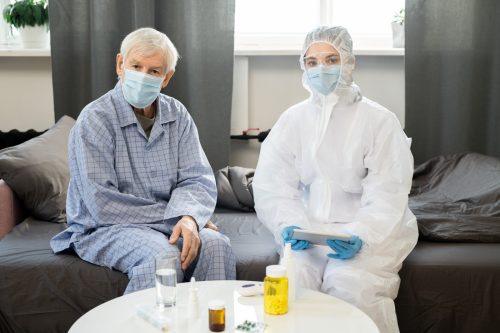
One of the biggest barriers to compliance training in healthcare is time. Long shifts, back-to-back patient loads, and administrative demands leave little room for lengthy educational programs.
AMC’s PPE training is built around that reality. The course takes just 15 minutes to complete and is fully online and self-paced. Providers can complete it during a break, between shifts, or at a time that works around their schedule.
Upon completion, providers receive a certificate of completion verifying their participation. The course carries approval from the California Board of Registered Nursing, Provider #18138, making it a valid continuing education option for California-based nursing professionals.
Ready to Strengthen Your Team’s PPE Knowledge?
By investing in structured PPE training, your organization can ensure compliance, boost operational efficiency, and foster greater trust among both patients and staff.
Enroll your team in our customized, free course development program today and give your facility the tools it needs to build a workplace where every provider understands exactly how to protect themselves and the patients in their care. Click here.