
Journey towards polio eradication

Polio eradication remains a priority for the Centers for Disease Control and Prevention (CDC). “Without eradication, a resurgence of polio could paralyze more than 200,000 children worldwide every year within a decade,” says Dr. Thomas R. Frieden, Director of the CDC. The journey towards polio eradication has been a collaborative effort. In 1998, the CDC […]
Skin cancer control and prevention

Skin cancer affects nearly 5 million Americans every year making it the most common type of cancer in the U.S. But as the Centers for Disease Control and Prevention (CDC) points out, skin cancer is preventable in most cases. The most preventable cases are those caused by ultraviolet (UV) light exposure from the sun or […]
Cervical cancer screenings

A recent tweet by the Center for Disease Control is urging women to get screened for HPV and to learn more about the link between HPV and cervical cancer. According to the CDC, HPV is the most prevalent sexually transmitted infection, so much so that almost every sexually active individual will contract a strain of the virus at some […]
May is healthy vision month

Routine vision exams are just as important as eating healthy and exercising. A comprehensive dilated eye exam can check for common eye problems. The U.S. Preventative Services Task Force recommends vision screenings for all children 3 to 5 years old to detect conditions such as lazy eye and amblyopia which can be treated if detected […]
ALS registry proves beneficial

The ALS bucket challenge that went viral in the summer of 2014 brought awareness to a disease thousands of Americans get diagnosed with every year. The challenge brought in more than $115 million in donations. Amyotrophic lateral sclerosis is most commonly known as “Lou Gehrig’s disease” after the New York Yankee diagnosed with ALS in […]
Foodborne illnesses in America

Foodborne illnesses are very common in the U.S. According to the Centers for Disease Control and Prevention (CDC), every year 1 in 6 Americans will get sick from contaminated foods or drinks. In 1999, Dr. Paul Mead along with CDC colleagues published Food-related Illness and Death in the United States. Since then it has been the […]
Women’s Health Week 2015

National Women’s Health Week is led by the U.S. Department of Health and Human Services Office on Women’s Health. It is observed every year on Mother’s Day and the week after. The goal of Women’s Health a Week is to empower women to make their health a priority with ambassadors like Miss USA Nia Sanchez. To […]
MERS-CoV linked to camels

MERS-CoV, formally known as Middle Eastern Respiratory Syndrome, is a new coronavirus first reported in 2012 in Saudi Arabia. About 1,000 infections have been reported to the World Health Organization, including infections in the U.S. According to a study by the Centers for Disease Control and Prevention’s (CDC) Emerging Infectious Diseases, MERS-CoV has been linked to people […]
Hispanic health in the U.S.

Hispanics are the largest racial and ethnic group. Today, there are approximately 57 million living in the U.S. Health risks associated with Hispanics vary by Hispanic subgroups, place of birth and economic status. Foreign born Hispanics are 60 percent less likely to develop cancer, high blood pressure and heart disease but more likely to develop high cholesterol. […]
H5N8 transmission concerns

H5N8 virus, a new strain of avian flu (HPAI), has been tracing an alarming path from its origination in China through South Korea, Russia, Japan, Canada, multiple countries in Europe and the central United States. Researchers believe that since its discovery in early 2014, the virus was carried from Russia to various parts of the world […]
Health literacy importance

Health literacy is a problem when health information is too difficult for people to understand. According to the National Assessment of Literacy, only 12 percent of adults have proficient health literacy. The Centers for Disease Control and Prevention (CDC) say health literate people should be able have an active role in their health. They should be able […]
Lyme disease infection through ticks
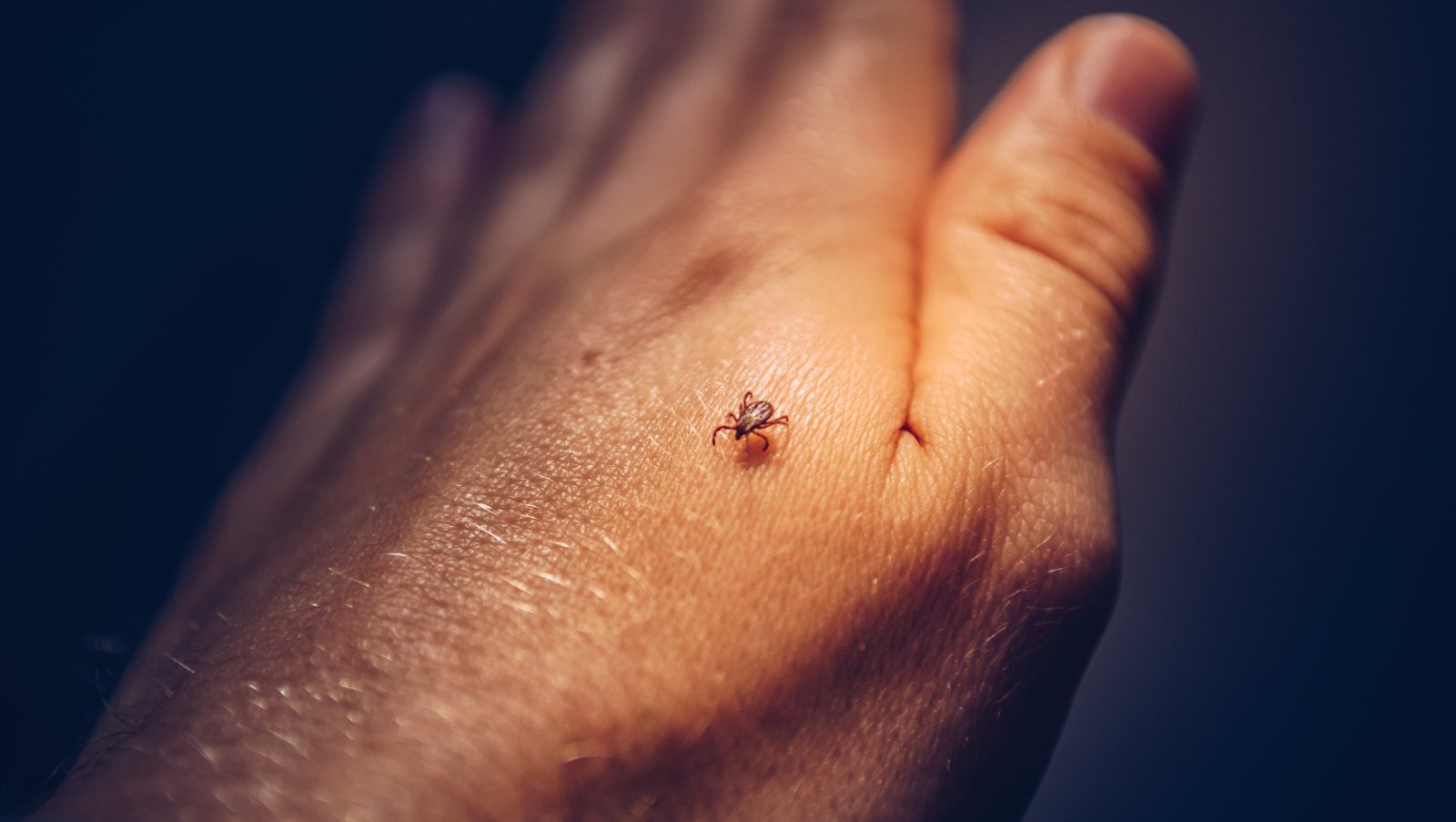
Lyme disease infections are close to 300,000 in the United States annually. Only around 30,000 of these infections are reported to the Centers for Disease Control and Prevention (CDC) by state health departments. Lyme disease is a common tick-borne illness that predominantly affects those living in New England, the upper Midwest, and mid-Atlantic states. Although cases of […]