Why Wound Care Skills Matter More Than Ever
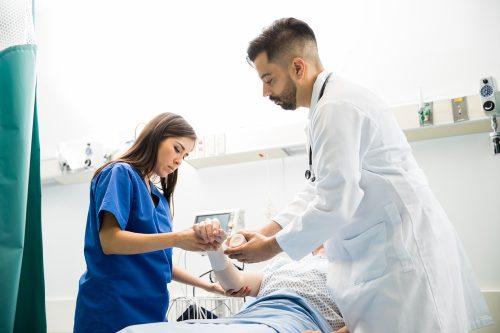
Today’s patient population is aging, living longer with chronic conditions, and increasingly complex. Diabetes, vascular disease, immobility, and surgical recovery all raise the risk of difficult-to-heal wounds. When wounds aren’t treated correctly, they can lead to infections, hospital readmissions, longer recovery times, and significant costs for both providers and patients.
For healthcare professionals, wound care is no longer a “nice-to-have” skill—it’s an essential one. Whether you’re a nurse, medical assistant, or clinical support professional, having structured wound care training helps you:
- Recognize different types of wounds early
- Apply evidence-based treatment strategies
- Reduce complications and infections
- Improve patient comfort and healing outcomes
Strong wound care knowledge also supports better teamwork, as providers can communicate clearly and confidently with physicians, specialists, and care coordinators.
What You’ll Learn in Wound Care Training
A well-designed wound care course doesn’t overwhelm learners with complex terminology. Instead, it focuses on practical skills and clear guidance that healthcare providers can apply right away in real care settings.
Through this training, you’ll gain hands-on knowledge in:
Comprehensive Wound Assessments
Learn how to properly evaluate wounds by observing size, depth, drainage, and surrounding skin. Accurate assessment is the foundation of effective wound care and helps guide the next steps in treatment.
Individualized Wound Care Plans
No two wounds are the same. This course teaches how to develop wound care plans based on each patient’s condition, needs, and healing progress—supporting safer and more effective care.
Advanced Wound Care Techniques
Build confidence using proven wound care methods designed to support healing, reduce complications, and improve patient comfort across different care settings.
Recognizing Signs of Wound Infection
Early detection is critical. You’ll learn how to spot common warning signs of infection and understand when wounds require additional attention or escalation.
By focusing on real-world application, this training helps healthcare providers deliver more consistent, confident, and effective wound care—without unnecessary complexity.
How Wound Care Training Improves Patient Outcomes

The biggest impact of wound care training is felt at the patient level. When healthcare providers are confident and consistent, patients heal better—and faster.
Improved wound care skills can lead to:
- Fewer infections and complications
- Reduced pain and discomfort for patients
- Lower risk of hospital readmissions
- Better long-term healing outcomes
Patients also notice the difference. Clear explanations, proper technique, and timely interventions build trust and improve the overall care experience.
Career Benefits for Healthcare Providers
Beyond patient care, wound care training can be a powerful career booster. Providers with specialized skills often stand out in competitive healthcare environments.
Completing California BRN-approved wound care training may help you:
- Expand your scope of responsibility
- Qualify for new roles or care settings
- Increase your value to employers
- Build confidence in complex clinical situations
In many facilities, wound care expertise is in high demand. Having formal training signals commitment to professional growth and quality care.
Flexible Learning for Busy Professionals
One of the biggest barriers to continuing education is time. Healthcare providers already juggle long shifts, family responsibilities, and demanding workloads. Fortunately, many BRN-approved wound care programs are designed with flexibility in mind.
Online and self-paced options allow learners to:
- Study on their own schedule
- Review materials as needed
- Learn without disrupting work commitments
This flexibility makes it easier to invest in skill development without burnout.
Who Should Consider Wound Care Training?
Wound care training isn’t limited to one role or specialty. It benefits a wide range of healthcare providers, including:
- Registered nurses and licensed practical nurses
- Medical assistants and clinical aides
- Home health and hospice staff
- Long-term care and assisted living providers
- Outpatient and ambulatory care teams
If your role involves direct patient care, wound care knowledge is likely relevant—and valuable.
Investing in Better Care Starts With Education
The best providers keep learning and improving their skills over time.
California BRN-approved wound care training offers a trusted way to strengthen wound assessment, treatment, and prevention—supporting patient safety, care quality, and professional growth. Better training leads to better outcomes, one patient at a time.
Take the Next Step With Team-Based Training
Consistent wound care education helps ensure compliance, boosts efficiency, and builds trust across your organization. When teams follow the same best practices, care is smoother, safer, and more reliable for both staff and patients.
Enroll your large team in our customized, free course development program today and get wound care training built around your workflows—at no added cost. Click here.