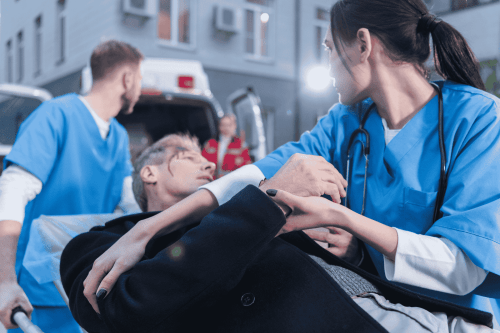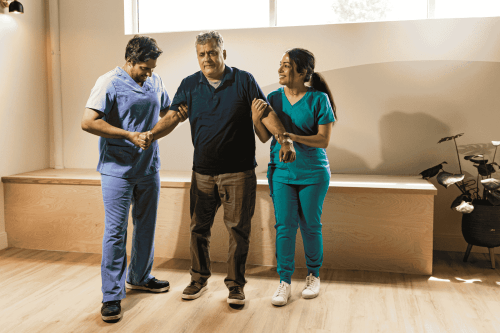
The Reality: Trauma is a Universal Patient Experience
We used to think of “trauma” as something reserved for combat veterans or survivors of major natural disasters. Today, we know better. Trauma is a near-universal human experience.
For healthcare providers, this means that on any given day, the majority of people sitting in your waiting room are carrying invisible burdens. These aren’t just “emotional” issues; trauma literally rewires the brain and the nervous system. When we commit to a trauma-informed practice, we acknowledge that our patients’ past experiences significantly dictate their present physical health.
When a patient has a history of trauma, their “fight-or-flight” response is often stuck in the “on” position. A cold stethoscope, a sharp needle, or even the power dynamic of a white coat can trigger a physiological stress response that makes healing nearly impossible.
What Exactly Does it Look Like in the Clinic?
At its core, providing care through a lens of trauma isn’t about becoming a therapist or digging into a patient’s deepest, darkest secrets. In fact, you don’t even need to know the details of a patient’s history to be effective. It is about creating an environment where every patient feels physically and emotionally safe by default.
A successful trauma-informed practice is built on five core pillars:
Safety: Ensuring the clinical environment feels secure and predictable.
Trustworthiness: Being transparent in your actions and maintaining clear boundaries.
Choice: Giving the patient a say in their treatment to restore their sense of control.
Collaboration: Moving away from the “provider as boss” model to a “provider as partner” model.
Empowerment: Validating the patient’s strengths and resilience.
When you implement these pillars, you aren’t just being “nice.” You are practicing high-level clinical medicine that reduces “no-show” rates, increases treatment adherence, and prevents provider burnout.
Why Take This Course Now?
You have a lot of options when it comes to earning your Continuing Education (CE) credits. Why choose a course on this specific topic?
1. It’s the “Missing Link” in Patient Outcomes
You can prescribe the best medication in the world, but if a patient’s history makes them distrustful of the medical system, they won’t follow through. Adopting a trauma-informed practice provides the tools to build a bridge of trust with patients who have been historically marginalized or mistreated by the healthcare system. It turns a “non-compliant” patient into a partner in their own recovery.
2. California BRN-Approved Excellence
Our course is specifically designed to meet the rigorous standards of the California Board of Registered Nursing (BRN). We’ve stripped away the dense academic jargon and replaced it with practical, “Monday-morning-ready” strategies. You’ll earn your credits while gaining skills that actually change how you work at the bedside.
3. It Protects YOU from Burnout
Secondary traumatic stress (often called “compassion fatigue”) is a silent epidemic among healthcare workers. By understanding the mechanics of how people react to stress, you learn to depersonalize “difficult” behaviors. When you realize a patient’s anger is a survival mechanism rather than a personal attack, your own stress levels drop. A trauma-informed practice isn’t just for the patient; it’s a toolkit for your own emotional longevity.
What You’ll Learn: From Theory to Bedside

Moving from the “theory” of trauma to the “bedside” of clinical practice requires a clear roadmap. This course is designed to bridge that gap, turning abstract concepts into concrete actions you can use during every shift. Here is how we break down the transition from academic knowledge to real-world application:
Defining Trauma in Your Community: You will learn to move beyond basic definitions to identify the diverse types and sources of trauma—whether individual or systemic—that affect the specific populations you serve.
The Science of Response: We translate complex neuroscience into clinical insights, helping you recognize common trauma responses and understand exactly how past experiences have shaped your patient’s brain, body, and behavior.
Applying Principles to Every Interaction: You will learn how to weave the core pillars of safety, trust, choice, and collaboration into your routine physical exams and consultations, making trauma informed practice a natural part of your workflow.
De-escalation and Prevention: We provide you with the tools to identify potential triggers before they lead to a crisis, offering strategies to prevent re-traumatization and help you respond effectively when situations become stressful.
Balanced Advocacy and Self-Care: You will learn to champion your patient’s cultural needs and personal voice through shared decision-making, all while maintaining the professional boundaries and self-care routines essential for your own well-being.
Integrating trauma-informed practice into your daily routine doesn’t actually take more time; it simply changes the way you spend your time with patients, making every interaction more efficient and meaningful.
Beyond the Chart: A New Way of Seeing
Imagine a shift where you feel less frustrated by “resistance” and more curious about resilience. Imagine a clinic where patients feel seen, not just processed.
The medical world is changing. We are moving away from a purely mechanical view of the human body toward a more holistic, integrated understanding of how our life experiences shape our health. Embracing trauma-informed practice puts you at the forefront of this revolution.
By enrolling in our California BRN-Approved Trauma-Informed Care Course, you aren’t just checking a box for your license renewal. You are joining a movement of providers who believe that the best medicine starts with understanding the human being behind the symptoms. You are choosing to lead your field with empathy and evidence-based care.
Ready to Transform Your Practice?

Don’t wait until your license renewal deadline is looming to scramble for credits. Give yourself the gift of a CE course that actually matters to your patients, to your career, and to your peace of mind. By integrating trauma-informed practice into your daily routine, you aren’t just checking a box; you are choosing to lead your field with empathy and evidence-based care.
By standardizing these practices across your clinical environment, you do more than just meet basic requirements; you ensure compliance with evolving state standards while boosting efficiency through smoother patient interactions and reduced clinical conflict. Ultimately, this approach is the gold standard for fostering trust between your team and the community you serve.
Enroll your large team in our customized, free course development program today! We work with healthcare organizations to tailor our BRN-approved curriculum to your specific department’s needs, ensuring your entire staff is equipped to provide world-class, empathetic care.