Why Hand Hygiene Training Still Matters in Modern Healthcare
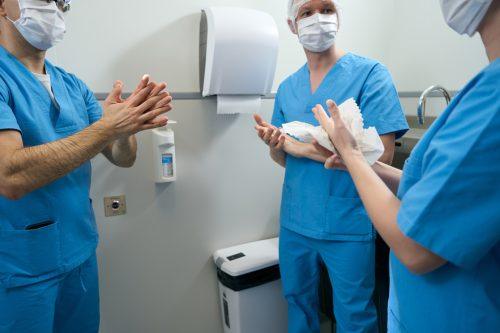
It might seem like hand hygiene is something every healthcare provider already knows. Wash your hands before and after patient contact. Use the right technique. Use sanitizer when soap and water are not available.
But knowing the guidelines and consistently applying them in the middle of a busy shift are two very different things. Studies show that hand hygiene compliance among healthcare workers remains well below where it needs to be, even in well-resourced facilities.
The reasons are understandable. Fast-paced environments, high patient volumes, and competing priorities all create conditions where small lapses happen. The problem is that in healthcare, small lapses carry real consequences.
When Compliance Slips, Patients Pay the Price
Healthcare-associated infections, commonly called HAIs, are infections that patients develop during the course of receiving care for another condition. They are not rare. The CDC estimates that on any given day, about 1 in 31 hospital patients has at least one HAI.
These infections lead to longer hospital stays, increased treatment costs, and in serious cases, patient deaths. The majority are preventable. And hand hygiene is the cornerstone of preventing them.
This is why hand hygiene training is not a one-time onboarding topic. It is an ongoing professional responsibility that requires regular reinforcement.
Hand Hygiene Training Built Around Real Clinical Settings
AMC’s Hand Hygiene in the Workplace course is designed specifically for healthcare providers. It goes beyond the basics and focuses on the practical knowledge providers need to apply hand hygiene correctly and consistently in real workplace conditions.
The course covers:
- The science behind how infections spread through hand contact in clinical environments
- When and how to perform proper hand hygiene, including the correct use of soap and water versus alcohol-based sanitizers
- How to identify high-risk moments during patient care that require hand hygiene
- Common barriers to compliance and practical strategies for overcoming them
- How hand hygiene connects to broader infection control standards and workplace safety requirements
Each of these areas reflects what actually happens in healthcare settings. The goal is not just awareness but behavior change. Good hand hygiene training helps providers build habits that hold up even under pressure.
The Role of Technique
One area that often gets overlooked is technique. Many providers wash their hands but miss key areas consistently, such as between the fingers, around the thumbs, and under the nails. The course addresses this directly, giving providers a clear, evidence-based approach to hand hygiene that covers the full surface of the hands.
Understanding the When, Not Just the How
Knowing how to wash hands is only part of the picture. Knowing exactly when to do it is equally important. Before touching a patient, before a clean or aseptic procedure, after body fluid exposure, after touching a patient, and after touching the patient’s surroundings. These five moments, established by the WHO, form the framework for consistent compliance.
Hand Hygiene Training as a Compliance and Risk Management Tool
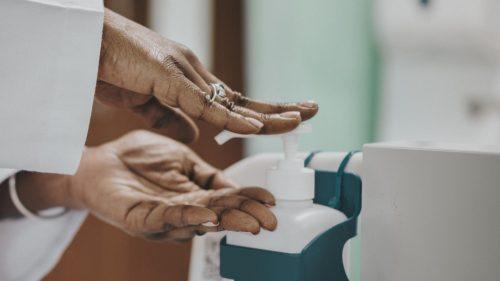
For healthcare organizations, hand hygiene training is not just a clinical matter. It is a compliance requirement with real financial and legal implications.
Regulatory bodies including OSHA, The Joint Commission, and CMS all expect healthcare facilities to maintain documented infection control practices. Hand hygiene is a central component of those expectations. Facilities that cannot demonstrate consistent training and compliance face greater scrutiny during inspections and audits.
Beyond inspections, HAIs carry significant financial costs. Treating a healthcare-associated infection adds thousands of dollars to a patient’s care episode. Many of these costs fall on the facility, particularly when infections are deemed preventable. Structured hand hygiene training reduces that risk directly.
Building a Culture of Consistency
One of the most lasting benefits of structured hand hygiene training is what it does to workplace culture. When every member of a care team, from physicians to support staff, receives the same foundational training, it creates a shared standard. That standard makes it easier to hold each other accountable, normalize good habits, and speak up when compliance slips.
Culture is not built through policies alone. It is built through consistent practice, and practice starts with training.
Designed for Busy Healthcare Professionals
Long shifts and demanding schedules leave little room for lengthy training programs. AMC’s Hand Hygiene in the Workplace course is built around the realities of healthcare work.
The course is fully online and self-paced, allowing providers to complete it on their own schedule without disrupting daily operations. It is concise, practical, and immediately applicable to everyday clinical situations.
Upon completion, providers receive a certificate verifying their training. The course carries approval from the California Board of Registered Nursing (Provider #18138), making it a valid continuing education option for California-based nursing professionals.
AMC’s online training platform fits around your team’s schedule so daily operations stay on track and costly consultants stay out of the picture.
Ready to Strengthen Your Team’s Infection Control Foundation?
AMC’s Hand Hygiene in the Workplace course gives your team the knowledge and habits it needs to reduce infection risk, stay compliant, and deliver safer care every single day.
By investing in structured hand hygiene training, your organization can ensure compliance, boost operational efficiency, and foster greater trust among both patients and staff.
Enroll your team in our customized, free course development program today and give your facility the tools it needs to build a culture where infection prevention is part of how care is delivered from the very first interaction. Click here.
Because cleaner hands lead to safer care, and safer care starts with informed, prepared providers.