Not Everyone Participates in the Same Way
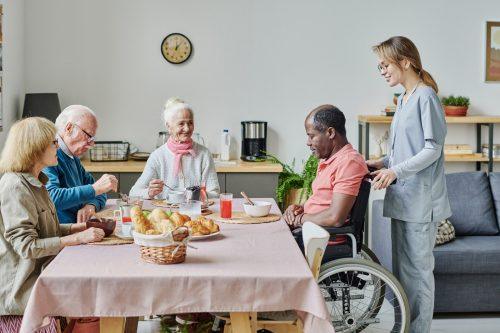
Participation can look different from person to person.
One resident may jump into a group discussion. Another may listen without speaking. Someone may enjoy helping with part of an activity rather than completing the entire task.
These differences matter.
A person who appears quiet may still be engaged. A resident who leaves early may have reached their limit. Someone who declines one activity may be interested in something completely different.
A senior living team can support better engagement by recognizing these differences instead of treating participation as an all-or-nothing choice.
This perspective can also help staff notice changes. If a resident who normally enjoys an activity suddenly stops participating, that change may be worth communicating to the appropriate members of the care team.
The key is to describe what was observed rather than jumping to conclusions.
For example, instead of saying, “The resident is no longer interested in activities,” a more useful observation might be: “The resident attended the activity but left after 10 minutes and did not participate.”
Clear, factual communication gives other team members information they can understand and use.
Individualized Support Makes a Difference
What works for one resident may not work for another.
That is why activity support should consider the individual.
Preferences, needs, abilities, and care plan guidance can all help shape how a person participates.
A group activity may need a simple adjustment to make participation more comfortable. A resident may need a different way to take part. Another may benefit from an activity that better matches their interests.
These adjustments do not have to turn every activity into a completely different program.
Sometimes, small changes can create a better opportunity for engagement.
The important part is understanding that the resident comes first. The activity is the tool—not the goal.
Communication Connects the Team
Activity support does not happen in isolation.
Different healthcare providers and staff members may notice different things about the same resident. One person may notice a change in participation. Another may know the resident’s preferences. Someone else may have information that helps explain what the team is seeing.
Good communication helps connect those observations.
For a senior living team, respectful communication is especially important when participation changes.
Keep observations factual. Avoid labels or assumptions. Share relevant concerns through the appropriate channels and follow care plan guidance.
This creates a clearer picture of the resident’s experience and can help the team provide more individualized support.
What Does Meaningful Engagement Really Look Like?
It may look surprisingly ordinary.
A resident laughing during a conversation.
Someone choosing to listen to music.
A person helping with part of a group activity.
A resident watching others participate and enjoying the atmosphere.
Someone trying an activity for the first time.
These moments may seem small, but they can contribute to a resident’s sense of connection, identity, choice, and purpose.
For a senior living team, recognizing these moments requires more than checking whether someone attended an activity. It requires paying attention to how the resident engages and what seems meaningful to them.
That shift can change the way staff think about activities.
Instead of asking, “Did the resident participate?”
The better question may be:
“How did the resident choose to engage?”
Building Skills Through Continuing Education
Supporting meaningful engagement requires knowledge, observation, communication, and an understanding of individual needs.
That is why continuing education can be valuable for healthcare providers working in senior living environments. California’s Board of Registered Nursing notes that continuing education should relate to nursing practice or direct and indirect patient/client care. The Board also clarifies that it approves continuing education providers rather than individual courses.
American Medical Compliance offers Interdisciplinary Activity Support in Senior Living, a 45-minute educational activity designed for healthcare providers. The training focuses on meaningful resident engagement through dignity, choice, individualized care, team communication, and activity adaptations.
Participants will explore how meaningful activities can support dignity, choice, identity, connection, and purpose. They will also learn about different ways residents may engage, how to provide individualized support based on resident needs and preferences, and how to communicate participation changes and concerns using factual, respectful language.
The activity offers 0.75 CME. American Medical Compliance is accredited by the Accreditation Council for Continuing Medical Education (ACCME) to provide continuing medical education for physicians. The provider is also approved by the California Board of Registered Nursing, Provider #18138, for 0.75 contact hours.
Once completed, participants receive a certificate of completion.
A More Meaningful Approach to Activity Support
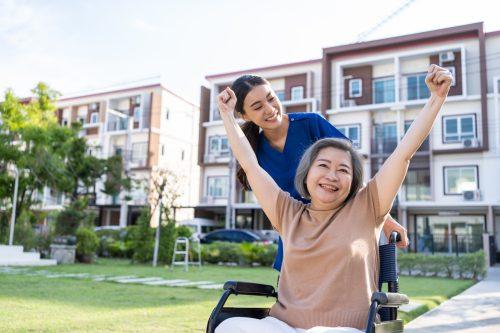
Meaningful activity support is not about filling empty hours. It is about seeing the person behind the participation.
What do they enjoy? What matters to them? How do they prefer to engage?
Those questions turn routine activities into opportunities for connection, choice, and purpose. And for every senior living team, that perspective makes all the difference.
Because meaningful engagement does not always look like everyone sitting around the same table. Sometimes it looks like a resident choosing to join. Sometimes it looks like choosing not to. And sometimes it simply looks like making one moment in the day feel a little more meaningful.
By investing in structured activity support training, your organization can ensure compliance, boost operational efficiency, and foster greater trust among residents, families, and staff alike.
Enroll your large team in our customized, free course development program today and give your senior living facility the tools it needs to deliver engagement that is genuinely person-centered.