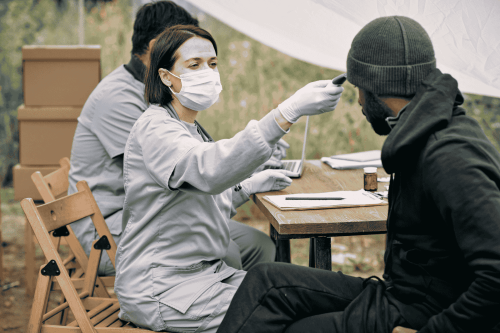
Why Professionalism Matters More Under Pressure in the Healthcare Workplace
Professionalism is not just about following rules or wearing a uniform properly. It is about how you communicate, how you make decisions, and how you treat others, especially when things are not going well.
In a high-pressure healthcare workplace, patients and their families look to healthcare providers for reassurance. A calm and respectful demeanor can make a huge difference in how patients perceive their care. Even in chaotic situations, professionalism builds trust and confidence.
For teams, professionalism ensures better collaboration. Miscommunication or emotional outbursts can lead to mistakes, while clear and respectful interactions improve efficiency and outcomes.
Practical Ways to Stay Professional in a High-Stress Healthcare Workplace

1. Focus on Clear Communication
When stress levels rise, communication often suffers. People may speak too quickly, forget important details, or react emotionally. In a busy healthcare workplace, clear communication is essential.
Take a moment to pause before speaking. Use simple and direct language. Confirm instructions when needed. These small habits can prevent misunderstandings and improve patient care.
2. Manage Emotional Responses
Healthcare providers are human. It is natural to feel frustrated, overwhelmed, or even helpless at times. However, professionalism means managing those emotions in a way that does not affect others negatively.
If a situation becomes too overwhelming, step away briefly if possible. Take a deep breath. Reset. Emotional control does not mean ignoring feelings, it means handling them in a constructive way.
3. Practice Respect at All Times
Respect should remain constant, regardless of stress levels. Whether speaking to a patient, a colleague, or a family member, maintaining a respectful tone is key.
In a high-stress healthcare workplace, tensions between team members can rise. Disagreements may happen, but they should always be handled professionally. Address issues calmly and focus on solutions rather than blame.
Building Strong Team Dynamics
No healthcare provider works alone. Teamwork is the backbone of any effective healthcare workplace. When stress levels are high, strong team dynamics become even more important.
Support your colleagues whenever possible. Offer help during busy periods, and communicate openly about workloads. A supportive team environment reduces stress and helps everyone stay professional.
Leaders also play a critical role. They set the tone for the team. When leaders remain calm, respectful, and solution-focused, it encourages others to do the same.
The Role of Self-Care in Professionalism
It may seem surprising, but self-care is directly linked to professionalism. When healthcare providers are exhausted or burned out, it becomes much harder to stay patient, focused, and composed. Adequate rest, proper nutrition, and even short mental breaks can improve performance and decision-making.
Even small acts of self-care can make a difference. A few minutes of quiet time, a quick stretch, or staying hydrated can help maintain energy levels throughout the day.
Handling Difficult Situations with Grace
Healthcare providers often face challenging situations, such as dealing with upset patients or delivering bad news. These moments test professionalism more than anything else.
The key is to stay calm and empathetic. Listen actively. Acknowledge emotions without becoming defensive. Sometimes, simply showing understanding can de-escalate a tense situation.
Remember, professionalism does not mean being distant. It means being compassionate while maintaining composure and clarity.
Learning from Experience

No one handles every situation perfectly. Mistakes and difficult moments are part of working in a high-pressure environment. What matters is how you learn from them.
Reflect on challenging situations. What went well? What could have been handled differently? Continuous learning helps strengthen professionalism over time.
In any healthcare workplace, growth comes from experience. The more you face and manage stressful situations, the more confident and composed you become.
Creating a Culture of Professionalism
Professionalism is not just an individual effort, it is a collective one. A workplace culture that values respect, communication, and support makes it easier for everyone to maintain high standards.
Encourage open discussions about stress and challenges. Provide training and resources for managing pressure. Recognize and appreciate professional behavior.
When professionalism becomes part of the culture, it is no longer something that needs to be forced, it becomes natural.
Final Thoughts
Staying professional in a healthcare workplace is one of the greatest challenges in healthcare, but it is also one of the most important. It affects patient outcomes, team dynamics, and overall workplace morale.
By focusing on clear communication, emotional control, respect, teamwork, and self-care, healthcare providers can maintain professionalism even in the most demanding situations.
A high-performing healthcare workplace is not one without stress, it is one where professionals rise above it with resilience, compassion, and integrity.
To support this, organizations must invest in training that reinforces professional standards while addressing the realities of high-stress environments. Strengthening these skills not only helps ensure compliance with industry expectations but also boosts operational efficiency and fosters greater trust between providers and patients.
Enroll your entire team in our customized, free course development program today and take a proactive step toward building a more resilient, efficient, and trusted healthcare workplace.