
What Autotransfusion Actually Is
Autotransfusion is the process of collecting blood that a patient has lost internally, processing it, and reinfusing it back into the same patient. Instead of relying on donor blood, the procedure uses the patient’s own blood, which means there is no risk of incompatibility or rejection.
For pet owners whose animals are in a life-threatening situation, this can be an important option. It is particularly relevant in cases where significant internal bleeding has occurred and the patient needs blood volume replaced quickly to survive.
The idea may sound complex, but the core principle is straightforward: veterinary teams can recover blood that would otherwise leave the body and return it to the patient to support circulation and survival.
When Autotransfusion May Be Considered
Not every patient is a candidate for autotransfusion. The veterinarian makes the decision by evaluating the patient’s condition, the source and nature of the bleeding, and whether the procedure suits the circumstances.
Veterinary teams may consider autotransfusion when trauma causes internal bleeding, surgery causes significant hemorrhage, or blood accumulates in the chest or abdominal cavity. In these situations, the blood remains inside the patient, and recovering it can help support circulation while the veterinary team continues other treatments.
Pet owners facing these situations rarely have time to research their options. That is why a well-prepared veterinary team matters so much. When every team member understands their role in the autotransfusion process, the procedure can move forward efficiently and safely, giving the patient the best possible chance.
The Veterinary Team’s Role in the Process
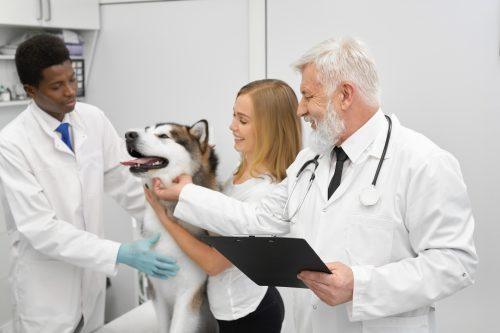
Autotransfusion is a team-based procedure carried out under veterinary direction. Each member of the team has a specific role, and understanding how those roles fit together is essential for the process to run smoothly and safely.
Safe Blood Collection and Handling
The first step in autotransfusion is collecting the blood that has accumulated in the patient’s body. This requires careful technique and strict attention to hygiene and safety. Blood that is collected improperly or handled carelessly can create risks rather than reduce them.
The veterinarian makes the decision by evaluating the patient’s condition, the source and nature of the bleeding, and whether the procedure suits the situation.
Reinfusion and Monitoring
Once blood has been collected and prepared, it is reinfused into the patient. Throughout this process, monitoring is critical. The team needs to watch for changes in the patient’s condition and respond quickly if anything shifts.
Pet owners often ask what happens during this part of the procedure. The honest answer is that the patient is closely watched at every stage. Monitoring is not passive. It is an active, ongoing responsibility that requires attention and communication throughout.
Documentation and Escalation
Every step of the autotransfusion process needs to be clearly documented. Accurate records protect the patient, support continuity of care, and provide a clear account of what happened and when.
Equally important is knowing when to escalate a concern. A team member who notices something unusual during the procedure needs to communicate that observation clearly and promptly. Hesitation in those moments can have real consequences for the patient.
Why Pet Owners Should Know This Procedure Exists
Most pet owners never encounter the word autotransfusion until they are already in a stressful, high-stakes situation. Learning about it for the first time in an emergency is not ideal. But awareness matters.
Pet owners who know this option exists and understand how it works can make confident decisions when their veterinarian presents it. They can also ask the right questions and understand the answers.
The veterinary team plays a role in that awareness too. Clear, calm communication with pet owners during and after an emergency builds trust and helps families feel less overwhelmed. When team members can explain what is happening in plain language, pet owners are more likely to feel supported rather than confused.
What AMC’s Course Covers
AMC’s Understanding Pet Autotransfusion course is designed specifically for veterinary team members. It focuses on the practical knowledge and responsibilities involved in supporting this procedure safely and effectively under veterinary direction.
The course teaches veterinary professionals how to:
- Recognize when autotransfusion may be considered and understand the team’s role in the process
- Describe safe blood collection, handling, reinfusion, and monitoring practices
- Apply communication, documentation, and escalation practices that support patient safety
The course takes 45 minutes to complete and provides a certificate of completion upon finishing. It is fully online and self-paced, making it accessible for busy veterinary teams without disrupting daily clinic operations.
A Better-Prepared Team Means Better Outcomes

When a patient is in crisis, the veterinary team’s preparation is what makes the difference. A team that understands autotransfusion, knows their role in the process, and can communicate clearly under pressure is a team that gives their patients a genuine fighting chance.
For pet owners, knowing that the team caring for their animal has this knowledge offers something important: confidence that their pet is in capable hands.
By investing in structured veterinary training, your organization can ensure compliance, boost operational efficiency, and foster greater trust among both clients and staff.
Enroll your large team in our customized, free course development program today and give your veterinary practice the tools it needs to deliver the kind of care that pet owners trust and patients deserve.
Because in a crisis, a prepared team is the difference between a procedure that saves a life and a moment that is simply too late.