Watching the Patient—and the Equipment
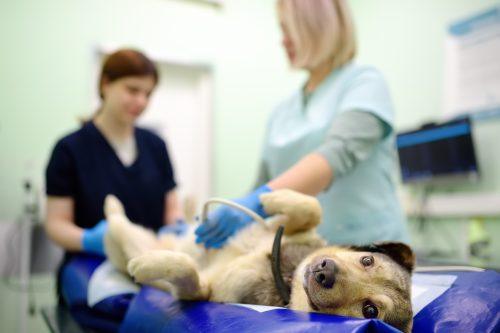
Mechanical ventilation brings another responsibility into the clinical environment: keeping a close eye on the entire system.
The patient and ventilator work together as part of a larger process. If something changes, veterinary professionals need to consider both the patient’s condition and the equipment involved.
Monitoring trends can provide valuable information. Rather than focusing on one isolated measurement, the team should pay attention to changes over time. A developing trend may signal that the patient needs attention before the situation becomes more serious.
Equipment readiness also matters.
Ventilator systems include multiple components that need to work together. Airway circuits must maintain their integrity, and equipment checks help identify potential problems before or during use. Being familiar with the system makes it easier to recognize when something needs to be reported or escalated.
In a respiratory emergency, there is little room for confusion about who should communicate a concern or what information the team needs to share.
Communication Is Part of Patient Care
Good communication may not seem as obvious as a ventilator or monitoring equipment, but it plays an important role in respiratory support.
When several veterinary professionals work together around a critically ill patient, everyone needs a clear understanding of what is happening. Changes in patient condition, monitoring trends, or equipment concerns should reach the appropriate team member promptly.
Clear documentation also supports continuity of care. Recording relevant information gives the team a shared picture of what has happened and what needs attention.
This becomes especially important when care continues across shifts or involves multiple members of the veterinary team. A clear record reduces guesswork and helps keep everyone working from the same information.
For healthcare providers caring for pets, communication is not separate from clinical care. It is part of creating a safer and more coordinated approach to patient support.
Safety Goes Beyond the Ventilator
Respiratory equipment also introduces important safety considerations.
Veterinary teams need to understand proper respiratory equipment hygiene and remain aware of oxygen and anesthetic gas safety when caring for ventilated patients. These responsibilities extend beyond simply connecting a patient to a machine.
A clean, ready respiratory system supports a safer clinical environment. Proper equipment awareness can also help veterinary professionals identify potential concerns earlier and communicate them before they interfere with patient care.
The same principle applies to preparation.
A ventilator may be an advanced piece of equipment, but preparation still comes down to fundamentals: knowing the system components, checking equipment readiness, understanding the airway circuit, and knowing what to do when something appears unusual.
Building Confidence Through Training
Mechanical ventilation can feel intimidating, particularly for veterinary professionals who do not work with ventilators every day. Training can help turn an unfamiliar machine into a more understandable part of patient care.
The Mechanical Ventilation in Veterinary Practice Training is designed to help veterinary professionals understand the principles of mechanical ventilation, patient monitoring, equipment readiness, safety practices, and effective communication during ventilator-assisted care.
The 75-minute training covers the purpose of mechanical ventilation and the difference between ventilation and oxygenation. It also explores common reasons a patient may need mechanical ventilation and the patient factors that can influence ventilator-supported care.
Participants learn to recognize changes in patient condition, monitoring trends, and ventilator equipment that may require prompt reporting and escalation. The training also covers awareness of ventilator system components, equipment readiness checks, and airway circuit integrity.
Safety and teamwork are part of the picture too. The course addresses clear communication, documentation, respiratory equipment hygiene, and oxygen and anesthetic gas safety during ventilator-supported care.
After completing the training, participants receive a certificate of completion to verify that they finished the course.
When a Patient Needs More Than a Breath
A ventilator can provide breathing support, but effective ventilator-assisted care depends on much more than the machine itself. It requires veterinary professionals who can understand what the ventilator is doing, recognize changes in the patient, and communicate concerns clearly.
Mechanical ventilation is not simply about keeping a machine running. It is about supporting the patient, understanding what is changing, and making sure the right concerns reach the right people at the right time.
For veterinary professionals who want to strengthen their understanding of ventilator-assisted care, the Mechanical Ventilation in Veterinary Practice Training offers a focused 75-minute opportunity to build that knowledge and earn a certificate of completion.
By investing in structured veterinary training, your organization can ensure compliance, boost operational efficiency, and foster greater trust among both clients and staff.
Enroll your large team in our customized, free course development program today and give your veterinary practice the tools it needs to deliver confident, well-coordinated care for every patient that depends on your team to breathe.